






Understanding the Tradition and Ethics of Cockfighting
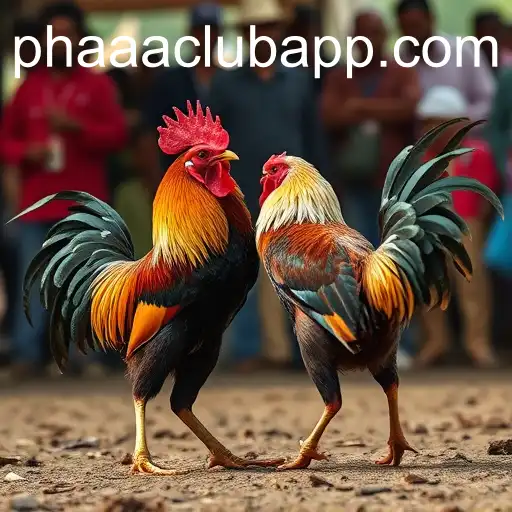
The Culture and Controversy of Cockfighting
Cockfighting, an activity deeply rooted in history and culture, has long been a subject of significant controversy and debate. Known for its intense spectacle, this age-old sport involves roosters placed in an arena to fight, often until one is unable to continue. While enthusiasts view it as a traditional pastime, animal welfare advocates argue against it due to the ethical implications regarding animal cruelty.
Historical Perspectives
The origins of cockfighting date back thousands of years, with evidence suggesting that the sport was practiced in ancient Persia, Greece, India, and China. It was not merely a sport but a ritual symbolizing the beliefs and cultures of ancient civilizations. As it spread to different regions, each culture imbued it with unique significance. The Romans made it part of their entertainment, while in Southeast Asia, it was more ceremonial.
Today, the sport continues in various regions worldwide, including parts of Latin America, the Philippines, and Southeast Asia, where it remains a cultural tradition despite global calls for its ban.
The Role of PHAAA CLUB
Among the organizations dedicated to preserving the sport of cockfighting, the PHAAA CLUB stands out. This club plays a crucial role in advocating for the tradition while emphasizing rules that attempt to align with modern ethical standards. The PHAAA CLUB aims to manage and maintain the sport's integrity by setting out regulations that participants must follow. These guidelines often include stipulations around the breeding, training, and treatment of the roosters to try and address some concerns raised by animal rights groups.
Cultural Significance
For communities where cockfighting is prevalent, the practice is more than a sport—it's a cultural cornerstone. Events are often communal gatherings, attracting friends, family, and neighbors. The excitement of the fight, coupled with the social interactions, offers a complex tapestry of tradition, bonding, and local economy. Bets placed during matches further highlight its role in local customs and traditions.
The PHAAA CLUB itself sponsors various events that showcase cultural and sporting elements, where participants share stories, techniques, and history. This exchange perpetuates the tradition, passing down knowledge through generations.
Controversy and Legal Challenges
Despite its cultural importance, cockfighting faces substantial opposition. Animal welfare organizations argue that the practice is inherently cruel, pointing to the intentional harm and suffering inflicted upon the animals. This clash of perspectives has led to legal battles and enforcement actions aimed at curbing or banning cockfighting.
In many countries, laws against animal cruelty have made cockfighting illegal, leading to underground operations or legal loopholes that sustain the practice. The PHAAA CLUB has often found itself at the center of these debates, advocating for the sport by emphasizing tradition, regulation, and the economic importance it holds for some regions.
The Ethical Debate
The ethical debate around cockfighting hinges on the welfare of the animals. Critics argue that no cultural tradition can justify the suffering involved, citing the brutal nature of the fights and the conditions the birds are often kept in. Proponents, including members of the PHAAA CLUB, counter that with proper regulation and humane treatment, the cultural and economic benefits can coexist without the prevalent cruelty.
This ongoing debate is indicative of the broader dialogue surrounding human-animal relationships and the definition of ethical sport. As awareness of animal rights grows globally, traditional practices like cockfighting are pressured to evolve or cease.
Moving Forward
The future of cockfighting may lie in compromise. For entities like the PHAAA CLUB, innovation in management, regulation, and perhaps even the introduction of alternative, less harmful competitions could sustain cultural heritage while minimizing ethical concerns. This pathway presents an opportunity for dialogue among stakeholders, from cultural historians to animal rights advocates, to redefine and potentially diminish the contentious elements of this historical sport.
While the controversy is set to continue, the sport's future might depend on these reconciliatory efforts. How cockfighting will adapt to the changing ethical and legal landscape will determine its place in modern society.
Exploring the Thrills of Fishing Games with PHAAA CLUB

Delve into the captivating world of fishing games and discover the excitement with PHAAA CLUB's engaging offerings.
2025-12-04
GreekGods Game: Unraveling the Mystique of PHAAA CLUB

Explore the immersive world of GreekGods, the latest sensation in the gaming world, and discover the unique rules and intriguing narratives that make PHAAA CLUB a revolutionary experience.
2026-03-04
FieryFruitsSixFold: A Thrilling Gaming Experience

Dive into the vibrant world of FieryFruitsSixFold. Explore the game's thrilling mechanics, innovative features, and immerse yourself in the dynamic landscape driven by the evolving PHAAA CLUB gaming community.
2026-03-19
UnlimitedWishes: The Game that Transforms Dreams into Reality

Explore the captivating world of UnlimitedWishes, where imagination meets strategy. Discover how players can harness their dreams and compete for ultimate glory within the intriguing framework of PHAAA CLUB.
2026-01-22

 download apk/ios